Call Now
Mental health conditions encompass a wide range of disorders that affect mood, thinking, and behavior. Common examples include anxiety disorders, depression, bipolar disorder, and schizophrenia. Understanding these conditions is vital for individuals seeking help and for their families who may be supporting them through difficult times.
Each mental health condition presents unique symptoms and challenges. For instance, anxiety disorders may manifest as excessive worry, while depression can lead to persistent sadness and loss of interest in activities. By educating oneself about these conditions, individuals can better recognize symptoms and seek appropriate treatment options.
Therapy plays a crucial role in the treatment of mental health issues, providing individuals with tools to cope with their challenges. Various therapeutic approaches, such as cognitive-behavioral therapy (CBT), dialectical behavior therapy (DBT), and talk therapy, offer tailored solutions to meet diverse needs.
Research shows that therapy can significantly improve mental health outcomes. For example, CBT has been proven effective in treating anxiety and depression by helping individuals identify and change negative thought patterns. Engaging in therapy can foster personal growth and resilience, making it an essential component of mental health care.
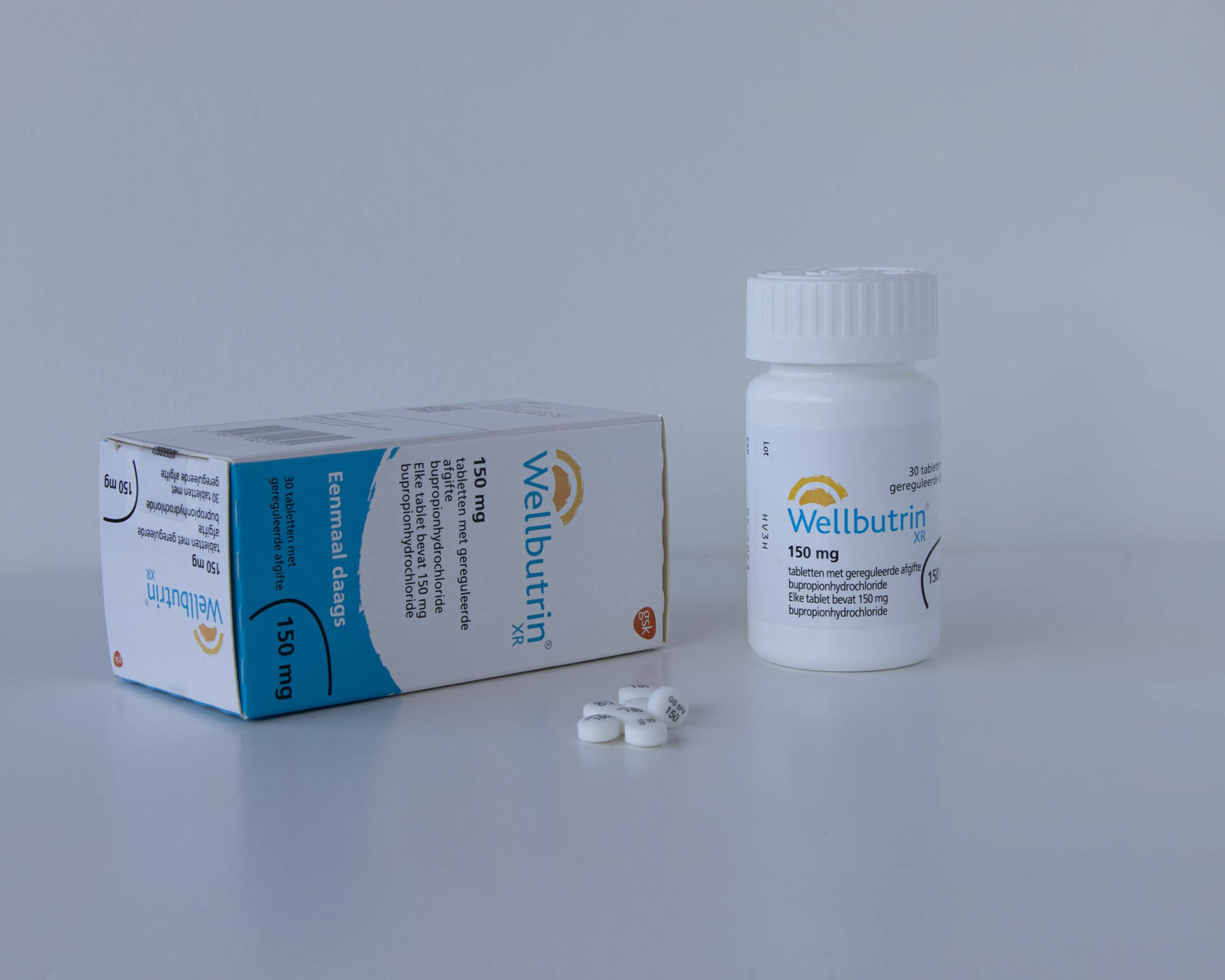
Medication management is a key aspect of treating mental health conditions, often working in conjunction with therapy. Psychiatrists and PMHNPs evaluate patients to determine appropriate medications, which can help stabilize mood and alleviate symptoms. Common medications include antidepressants, antipsychotics, and mood stabilizers.
It's important for patients to communicate openly with their healthcare providers about their experiences with medication. Adjustments may be necessary to find the right balance, and regular follow-ups can ensure that the treatment remains effective. Education about potential side effects and interactions is also crucial for safe medication management.
Accessing resources for mental health support can empower individuals on their journey to recovery. Various organizations, hotlines, and support groups offer valuable information and assistance. Websites like the National Alliance on Mental Illness (NAMI) and Mental Health America provide educational materials and connect individuals with local resources.
In addition to professional services, peer support groups can offer a sense of community and understanding. Sharing experiences with others facing similar challenges can reduce feelings of isolation and provide practical coping strategies. Utilizing these resources is an important step toward improving mental health and well-being.
Mental health conditions encompass a wide range of disorders that affect mood, thinking, and behavior. Common examples include anxiety disorders, depression, bipolar disorder, and schizophrenia. Understanding these conditions is vital for individuals seeking help and for their families who may be supporting them through difficult times.
Each mental health condition presents unique symptoms and challenges. For instance, anxiety disorders may manifest as excessive worry, while depression can lead to persistent sadness and loss of interest in activities. By educating oneself about these conditions, individuals can better recognize symptoms and seek appropriate treatment options.
Therapy plays a crucial role in the treatment of mental health issues, providing individuals with tools to cope with their challenges. Various therapeutic approaches, such as cognitive-behavioral therapy (CBT), dialectical behavior therapy (DBT), and talk therapy, offer tailored solutions to meet diverse needs.
Research shows that therapy can significantly improve mental health outcomes. For example, CBT has been proven effective in treating anxiety and depression by helping individuals identify and change negative thought patterns. Engaging in therapy can foster personal growth and resilience, making it an essential component of mental health care.
Medication management is a key aspect of treating mental health conditions, often working in conjunction with therapy. Psychiatrists and PMHNPs evaluate patients to determine appropriate medications, which can help stabilize mood and alleviate symptoms. Common medications include antidepressants, antipsychotics, and mood stabilizers.
It's important for patients to communicate openly with their healthcare providers about their experiences with medication. Adjustments may be necessary to find the right balance, and regular follow-ups can ensure that the treatment remains effective. Education about potential side effects and interactions is also crucial for safe medication management.
Accessing resources for mental health support can empower individuals on their journey to recovery. Various organizations, hotlines, and support groups offer valuable information and assistance. Websites like the National Alliance on Mental Illness (NAMI) and Mental Health America provide educational materials and connect individuals with local resources.
In addition to professional services, peer support groups can offer a sense of community and understanding. Sharing experiences with others facing similar challenges can reduce feelings of isolation and provide practical coping strategies. Utilizing these resources is an important step toward improving mental health and well-being.